
Food storage plays a critical role in preserving taste, freshness, and quality, yet many people unknowingly make simple mistakes that alter flavors over time. From improper container use to incorrect temperature settings, these small errors can significantly impact how your food smells and tastes. Understanding the most common flavor storage mistakes helps you maintain the original essence of your ingredients and prepared meals. This guide highlights ten key storage errors and practical solutions so you can protect flavor, reduce waste, and enjoy consistently delicious food without realizing how easily taste can be compromised.
10 Flavor Storage Mistakes That Secretly Ruin Your Food Taste
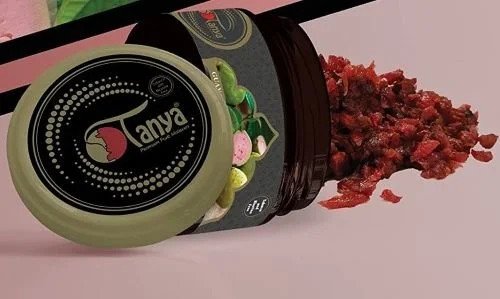
One of the most overlooked issues in kitchens is improper sealing and exposure to air, which slowly degrades flavor compounds in foods. Many people store herbs, fruits, and specialty items like tanya blueberry mint flavour in loosely closed containers, allowing moisture and odors to interfere with their natural taste. Temperature inconsistency is another factor that quietly affects food quality. Frequent opening of refrigerators or storing items in unsuitable sections leads to uneven cooling. Over time, these mistakes result in dull, flat flavors. Paying attention to airtight storage, consistent temperatures, and proper placement can significantly improve taste preservation and overall food quality.
Are You Making These Common Storage Mistakes That Affect Food Flavor?
Many households unknowingly store different types of food together without considering how odors transfer between them. Strong-smelling items like onions or garlic can influence the taste of nearby foods, leading to unexpected flavor changes. Another common mistake is using low-quality plastic containers that absorb smells over time. This can cause even fresh food to taste stale. Additionally, improper labeling results in expired or overstored items being consumed. These small habits accumulate and gradually reduce food quality. By separating ingredients, using proper containers, and keeping track of storage times, you can prevent unnecessary flavor contamination and maintain freshness.
Tanya’s Guide: Hidden Storage Errors That Change Taste Without You Knowing
Hidden storage errors often go unnoticed because they do not produce immediate effects. For example, placing hot food directly into the refrigerator creates condensation, which affects texture and taste. Similarly, storing dry goods in humid environments can lead to subtle flavor deterioration. Another overlooked issue is light exposure, especially for oils and spices, which can degrade quickly when stored in transparent containers. These mistakes may seem minor, but over time they significantly alter the natural taste of ingredients. Awareness and small adjustments, such as cooling food before storage and using opaque containers, can make a noticeable difference.
Why Your Food Tastes Different: 10 Storage Mistakes to Avoid Today
If your food tastes different than expected, the issue may lie in how it is stored rather than how it is cooked. One major factor is improper refrigeration timing, where delays in storing cooked meals allow bacteria and enzymes to alter flavor. Another mistake is overcrowding the refrigerator, which restricts airflow and creates uneven cooling zones. Freezing food without proper wrapping can also cause freezer burn, leading to dry and tasteless results. These issues are common but preventable. Maintaining organized storage spaces and following correct storage timelines ensures that your food retains its intended flavor and quality.
Stop Ruining Your Meals: Flavor Storage Mistakes You Didn’t Realize You Make
Many people unintentionally ruin meals by reusing old storage containers that carry residual odors. Even after washing, some materials retain strong smells that transfer into fresh food. Another mistake is storing ingredients in oversized containers, allowing excess air to accelerate oxidation. Additionally, improper stacking can crush delicate foods, affecting both texture and taste. These habits might seem harmless but gradually reduce meal quality. By choosing the right container size, replacing worn-out storage items, and organizing food carefully, you can prevent these subtle issues and keep your meals tasting as intended.
The Shocking Truth About Food Storage Mistakes That Alter Taste
The truth about food storage is that even minor negligence can lead to significant flavor changes. Leaving perishable items outside for too long before refrigeration allows bacteria to develop, which impacts both safety and taste. Similarly, storing food in the wrong temperature zone can cause premature spoilage. Many people also ignore humidity control, which is essential for maintaining crispness in fruits and vegetables. These factors combine to create noticeable differences in flavor over time. Understanding the science behind storage conditions helps you make better decisions and maintain the integrity of your food.
10 Kitchen Storage Mistakes That Quietly Destroy Flavor Quality
Kitchen storage mistakes often occur due to convenience rather than proper technique. For instance, placing food near the refrigerator door exposes it to frequent temperature fluctuations. Another issue is mixing raw and cooked foods without proper separation, which can lead to contamination and flavor interference. Using inappropriate packaging materials, such as thin plastic wraps, also reduces protection against air exposure. Over time, these small mistakes degrade flavor quality. Creating designated storage zones and using high-quality containers can help maintain consistency and ensure that your food retains its original taste.
From Fresh to Flavorless: Storage Habits That Change Taste Over Time
Food does not lose its flavor instantly; it happens gradually due to poor storage habits. Repeated reheating and cooling cycles break down the structure of food, leading to blandness. Another factor is prolonged storage beyond recommended timelines, which reduces freshness even if the food appears safe to eat. Improper sealing also allows moisture loss, affecting texture and taste. These habits may seem routine but have long-term effects on food quality. Adopting better storage practices, such as portioning meals and minimizing reheating, can help preserve both flavor and nutritional value.
Are Your Ingredients Losing Flavor? 10 Storage Mistakes to Fix Now
Ingredients can lose flavor long before they show visible signs of spoilage. Storing spices near heat sources, such as stoves, accelerates the loss of essential oils that give them their aroma. Another mistake is keeping fruits and vegetables together without considering ethylene gas production, which speeds up ripening and decay. Using improper storage temperatures for dairy products can also alter their taste. These issues are often overlooked but easy to fix. By adjusting storage locations and understanding how different ingredients interact, you can extend freshness and maintain strong, natural flavors.
Tanya Reveals: Everyday Storage Mistakes That Impact Food Flavor and Freshness
Everyday storage mistakes often stem from lack of awareness rather than negligence. Many people unknowingly compromise food quality by choosing convenience over proper methods, such as storing items without checking ideal conditions. In some supply chains, similar issues arise where a wholesale tobacco distributor might face flavor inconsistencies due to improper storage environments, highlighting how critical controlled conditions are across industries. At home, failing to monitor temperature, humidity, and container quality leads to gradual flavor loss. Making small but consistent improvements in storage habits can significantly enhance both taste and freshness over time.